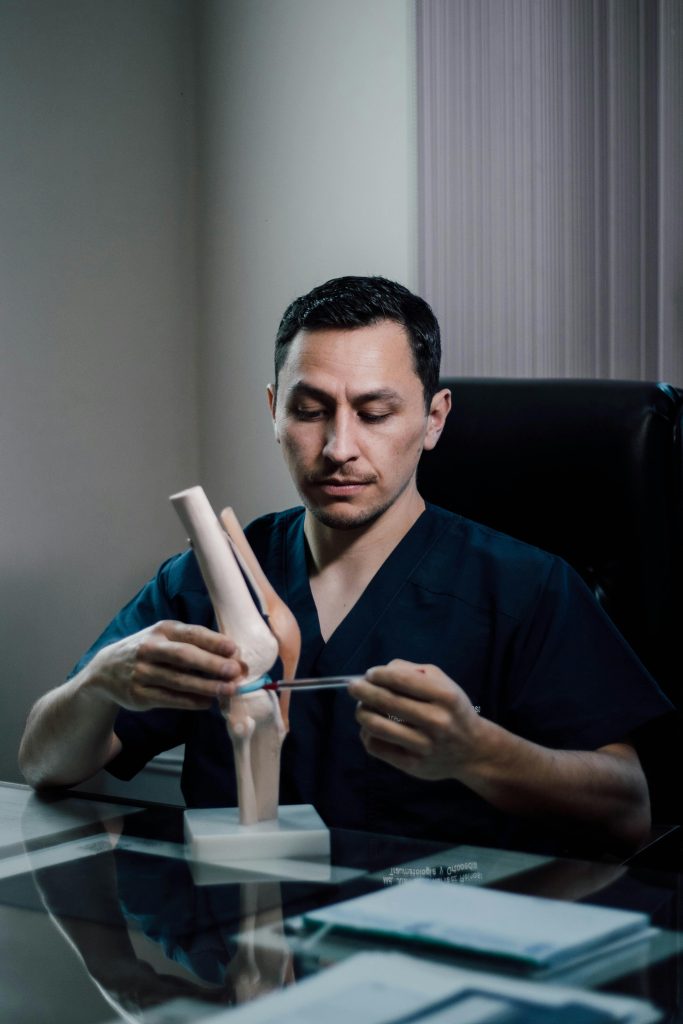
A Natural Solution to Joint Replacement Surgery
Written By: Teresa Greco
For decades, knee and hip replacement surgery has been considered one of modern medicine’s most reliable interventions. In the United States alone, more than 790,000 total knee replacements are performed annually – a number projected to rise significantly as populations age and remain active longer. Increasingly, these procedures are being performed on adults under 60, many of whom still identify as athletes, executives, competitors, and high performers.
For some, joint replacement is transformative. For others – particularly men in their forties, fifties, and early sixties who still train, travel, compete, and lead demanding professional lives – the equation becomes more complex.
Total knee replacement often requires six months to a year of rehabilitation for full recovery. Biomechanics change. Performance ceilings can shift. And while satisfaction rates are generally high, not all recipients return to their previous level of strength, agility, or confidence in movement. Revision surgeries are also more common among younger, more active patients, as artificial joints have finite lifespans.
It is within this space – between chronic discomfort and irreversible intervention – that a quieter conversation is emerging: when does preservation become preferable to replacement?
The Middle Ground Few Discuss
Mobility decline does not affect only elite athletes. It affects the former university player who still golfs three times a week. The executive who trains before sunrise. The entrepreneur whose calendar is as demanding as his fitness routine.
For this demographic, knee pain is rarely just physical. Movement is autonomy. Strength is confidence. Performance is part of identity.
When injections, physiotherapy, or even previous surgical procedures fail to restore full function, some begin exploring integrative approaches designed to support the body’s own repair capacity before consenting to permanent structural alteration.

A Preservation-First Framework
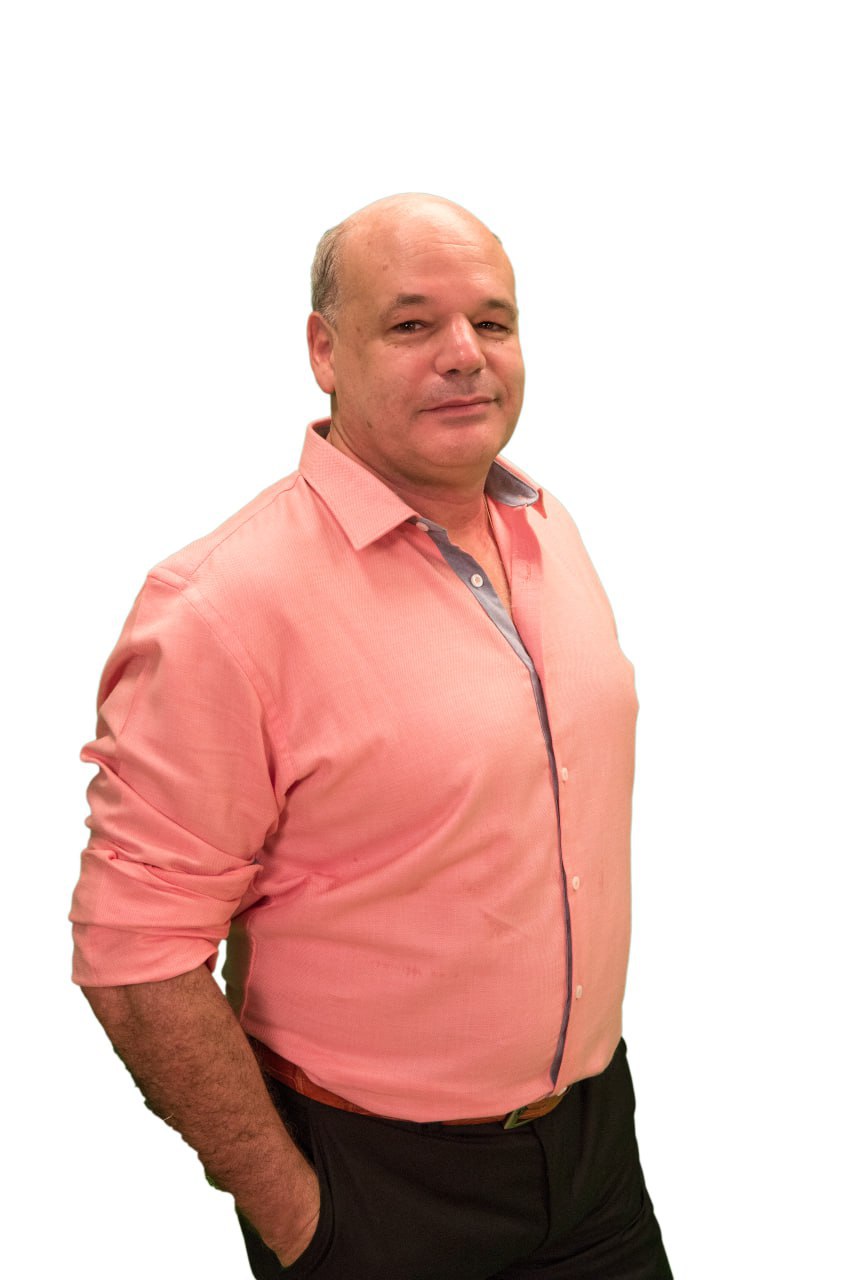
One practitioner increasingly associated with this preservation-first space is Ed Strachar, founder of Healing Genius®. A former electrical engineer who patented microchip technology before transitioning into human performance work, Strachar applies what he describes as engineering precision to biological systems. Privately referred to by some clients as “the Knee Whisperer,” as is the title of his forthcoming book, he works with individuals who believe they have reached the limits of conventional intervention and are seeking restoration without surgery, injections, or long-term medication. Strachar’s framework draws from both modern neurological science and principles he attributes to early Greek medicine.
“My work restores healing by addressing the highest level first,” Strachar explains. This process begins by energizing the knee with Universal Life-Force. “I connect to a higher-order universal energy — a potent life-force field beyond ordinary biological energy — and direct it to the knee’s organizing field,” he says. He clarifies that this does not “force” healing; rather, it restores the power supply the body naturally uses to repair itself. Once energized, the body’s own intelligence resumes the coordination of tissue repair.
Simultaneously, the method involves clearing interference patterns that block healing. These patterns include stored emotional stress responses, protective guarding reflexes, limiting neurological expectations, and subconscious resistance patterns. Strachar notes that these act like static in a signal: “Even a strong energy cannot organize tissue if interference remains.”
The result of this approach is that when the knee receives sufficient life-force energy and interference is cleared, repair becomes automatic rather than forced. “We are not treating the knee mechanically,” Strachar maintains, “We are restoring the conditions under which the body heals the knee itself.” He suggests that most willing clients notice significant functional improvement within 2–3 sessions because the regulating system, not just the structure, has been reactivated.
He frequently uses a simple analogy: ice and steam are the same substance at different vibrational states. Shift the state, he suggests, and different outcomes become possible. Many sessions are conducted remotely, often over the internet – a format that appeals to high-performing clients who value discretion and efficiency.
One publicly shared case involved Ty Moberger, a high-school football player who remained on crutches months after ACL and MCL surgery when conventional rehabilitation had stalled. During a 90-minute remote session, he reported warmth and vibration in the knee; by the end, he stood and walked without assistance. The following day, he resumed light athletic activity. Moberger’s experience is not an isolated case; a broad range of practitioners, including medical doctors, chiropractors, and nurses, have documented similar outcomes through testimonials available on his website.
Strachar does not position his work as a rejection of surgery where medically necessary. Rather, he presents it as an option for those exploring preservation before replacement — or for individuals whose recovery has plateaued and who seek a non-invasive, energy-based approach aimed at accelerating restoration and reducing downtime.
Expanding the Conversation
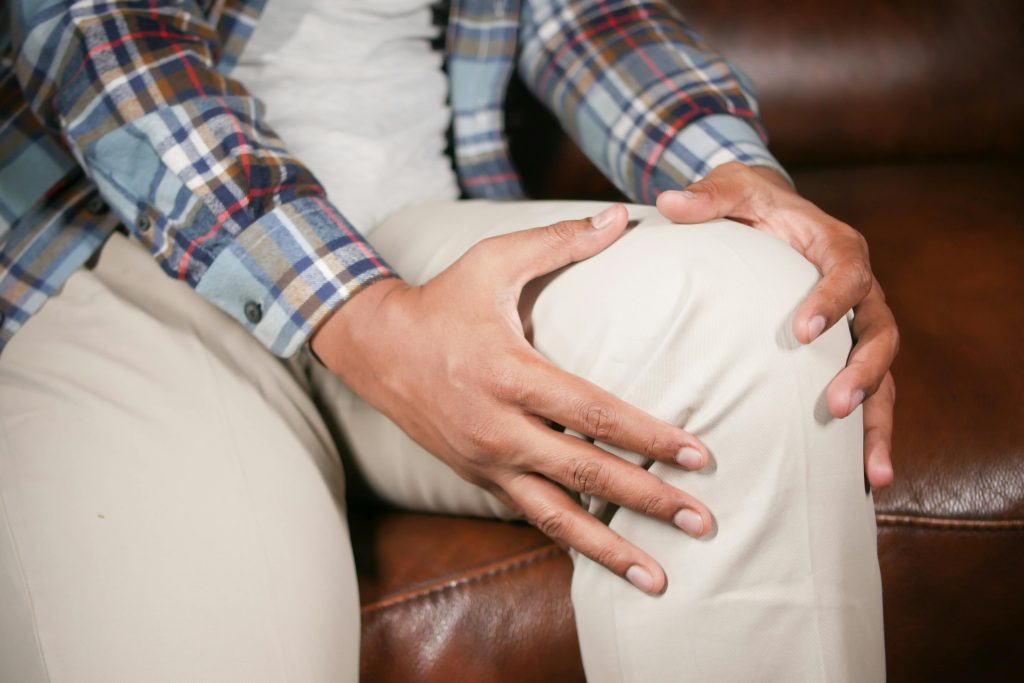
Joint replacement rates are rising – but so is the number of men over 40 determined to remain active, competitive, and fully engaged in their professional and personal lives.
While replacement surgery remains appropriate and life-changing for many, others are pausing before committing to permanent structural alteration. For executives balancing travel, leadership, and physical performance, a year-long rehabilitation timeline is significant – as is the possibility that certain high-impact activities may need to be permanently modified.
Preservation-focused approaches resonate with those who value longevity, autonomy, and performance continuity. The shift is less about rejecting medicine and more about expanding the conversation.
In an era when medicine and integrative practices increasingly coexist, the most sophisticated approach may not be choosing one over the other, but rather remaining informed.
Before any permanent decision, awareness itself can be a powerful form of agency.
Readers interested in learning more about Strachar’s framework can visit HealingGenius.com.